IBJJF vs. ADCC Rules: The Ultimate Grappling Guide for All Ages and Belts
Huntington Beach is home to a highly competitive and passionate martial arts community. Local athletes constantly push their physical and technical limits on the mats. However, stepping into the competitive arena requires more than just physical preparation. Competitors must fully understand the rules of the organization they are representing. Specifically, the IBJJF and the ADCC represent the two pinnacles of grappling competition. Consequently, understanding the differences between these two formats is essential for safety and victory. At Gracie Barra Huntington Beach, we prepare our students to excel under any ruleset.
discover gracie barra huntington beach
Core Philosophical Differences: At a Glance
The two organizations approach grappling from distinct cultural and technical viewpoints. Understanding these core philosophies helps you adapt your training mindset before entering camp.
The IBJJF ruleset is deeply rooted in traditional Brazilian Jiu-Jitsu values. This organization primarily focuses on Gi competition, although they host highly prestigious No-Gi tournaments. Specifically, the points system rewards positional dominance, reflecting real combat scenarios. Therefore, you score points for passing the guard or achieving dominant control. Every position must be stabilized for a clear three-second count to register on the scoreboard. This structure helps practitioners build a highly methodical and defensive style.
Conversely, the ADCC is widely considered the world championship of submission grappling. This tournament is strictly No-Gi and prioritizes a highly aggressive search for the submission. The scoring system reflects this dynamic philosophy. Most notably, the first half of every match features no points at all. This format encourages athletes to take risks without fear of losing points immediately. However, points become active in the second half of the match. Furthermore, the ADCC penalizes passive play and pulling guard. This creates a fast-paced environment where wrestling is heavily favored.
To summarize the philosophical split:
IBJJF: Emphasizes traditional Gi control, safety, and strict positional hierarchy.
ADCC: Prioritizes No-Gi submissions, aggressive pacing, and wrestling dominance.
If you want to develop a versatile game for both systems, https://graciebarrahb.com/ offers the perfect training ground.
Navigating the Points System: A Tactical Comparison
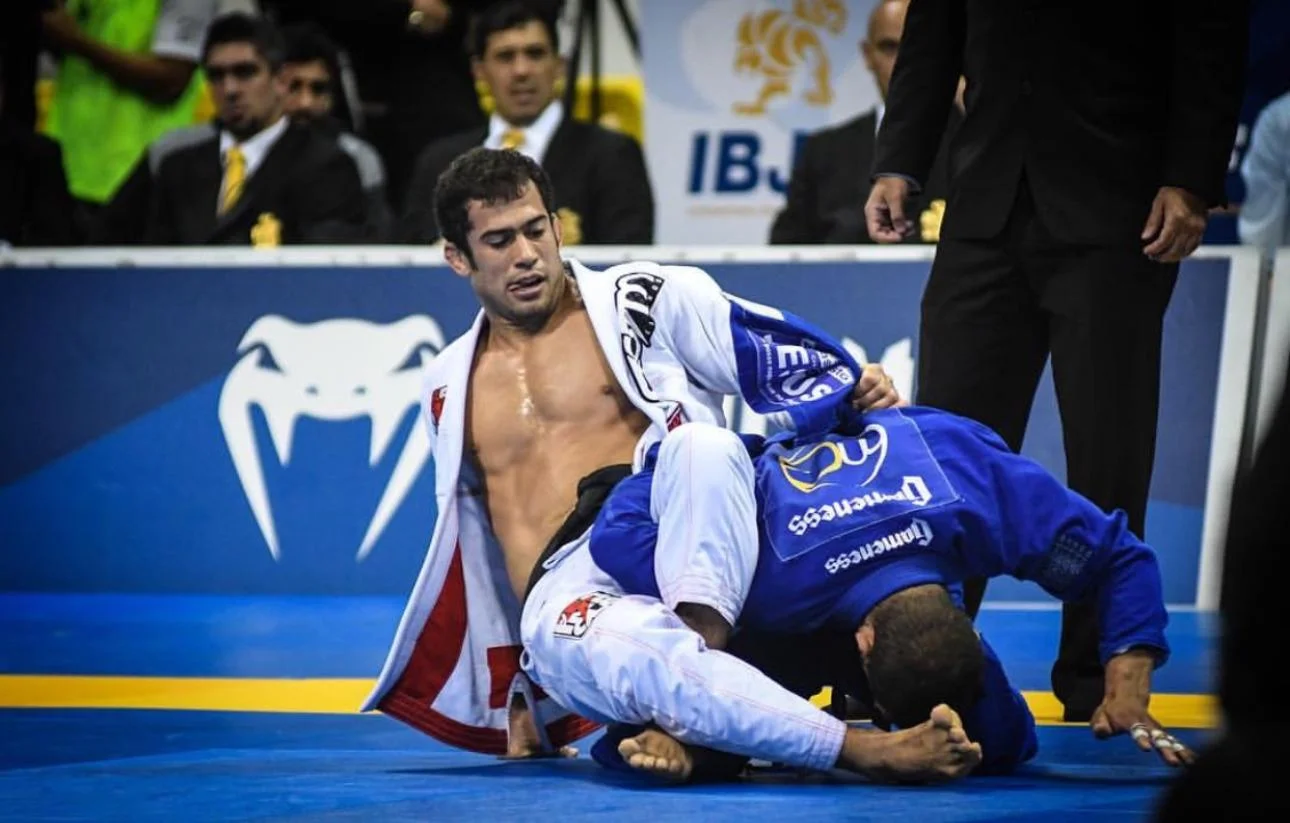
The technical mechanics of scoring differ significantly between the two organizations. In IBJJF tournaments, the scoring remains consistent throughout the entire match. Sweeps and takedowns earn two points. Guard passing earns three points. Finally, achieving the mount or back control awards four points. There are no negative points for pulling guard, though you can receive penalties for passivity. This encourages a highly structured approach to positional hierarchy.
On the other hand, the ADCC points system is highly dynamic and actively punishes passive play. Specifically, pulling guard results in a negative point at any time during the matches. Takedowns and sweeps score two points, but they must end in a clear control position. Passing the guard scores three points, while back control and mount award four points. Additionally, the ADCC rewards clean guard passes that lead directly to submission attempts. This complex scoring system requires a distinct tactical approach. Competitors must train their wrestling extensively to avoid penalties.
For a quick reference, compare the scoring systems below:
Takedowns: IBJJF awards 2 points. ADCC awards 2 points, or 4 points for clean takedowns ending past the guard.
Sweeps: IBJJF awards 2 points. ADCC awards 2 points, or 4 points for clean sweeps ending past the guard.
Mount Position: IBJJF awards 4 points. ADCC awards 2 points.
Back Control: Both organizations award 4 points for establishing control with hooks.
Guard Pulling: IBJJF awards 0 points. ADCC penalizes this action with a negative point (-1).
Safety First: Legal Submissions Across the Belts
Safety is the absolute priority on our mats. Consequently, both organizations implement strict rules regarding illegal techniques. These restrictions vary greatly based on your belt rank and experience level. For example, the IBJJF is highly protective of lower-ranked competitors. White, blue, and purple belts are strictly prohibited from using twisting leg locks, such as heel hooks. Even reaping the knee is a major disqualification offense in Gi tournaments.
Conversely, the rules open up significantly once an athlete reaches the advanced levels. Specifically, the IBJJF recently allowed heel hooks and reaping in adult No-Gi brown and black belt divisions. This change has revolutionized the modern competitive landscape. However, these techniques remain strictly illegal in all Gi divisions. Meanwhile, the ADCC is famous for its open approach in professional divisions. Heel hooks, slams to escape submissions, and leg reaping are completely legal. This requires an elite level of joint awareness and defense.
Ensure you follow these safety parameters during your preparation:
Beginners (White/Blue Belts): Focus on straight ankle locks and basic positioning. Twisting leg attacks are banned.
Advanced No-Gi (Brown/Black Belts): Leg reaping and heel hooks are legal in both formats.
Gi Competition (All Belts): Heel hooks, twisting knee locks, and knee reaping remain strictly illegal.
Slamming: Completely illegal under IBJJF rules, but legal in professional ADCC divisions to escape submissions.
Our professional training at Gracie Barra Huntington Beach ensures that advanced students master these modern techniques safely.
Age Division Considerations: Rules for Youth and Masters
Age plays a critical role in how rules are structured and enforced. Both organizations adapt their formats to protect young athletes and accommodate older practitioners. Specifically, youth divisions are highly regulated to prevent severe joint injuries or spinal trauma.
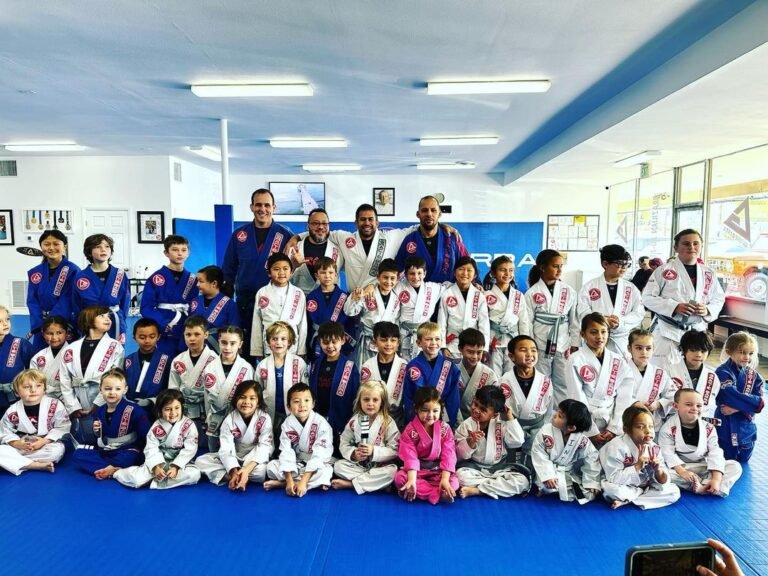
Children under the age of sixteen face the safest protocols. In IBJJF youth divisions, moves like the guillotine, triangle head pulls, and any foot locks are strictly illegal. These restrictions ensure that young bodies can develop safely without unnecessary strain. Similarly, the ADCC youth divisions completely ban heel hooks, neck cranks, and slamming. Instructors at Gracie Barra Huntington Beach emphasize technical mastery over physical aggression for our kids. This pedagogical approach builds a solid foundation that lasts a lifetime. You can find more information about our youth programs at https://graciebarrahb.com/.
Master divisions are designed for athletes aged thirty and older. The IBJJF shortens match times for masters to five or six minutes. This format prioritizes efficiency and tactical patience over explosive speed. Furthermore, master competitors often focus on minimizing injury risk to maintain their professional lives off the mats. Understanding these age-specific rules helps you manage your energy during tournaments.
Here is what you need to consider based on age:
Youth Athletes: Focus entirely on positional control and basic submissions. Avoid high-risk spinal holds.
Adult Competitors: Train for high-intensity matches lasting up to ten minutes (IBJJF) or twenty minutes (ADCC).
Master Competitors: Prioritize tactical efficiency and joint longevity during training.
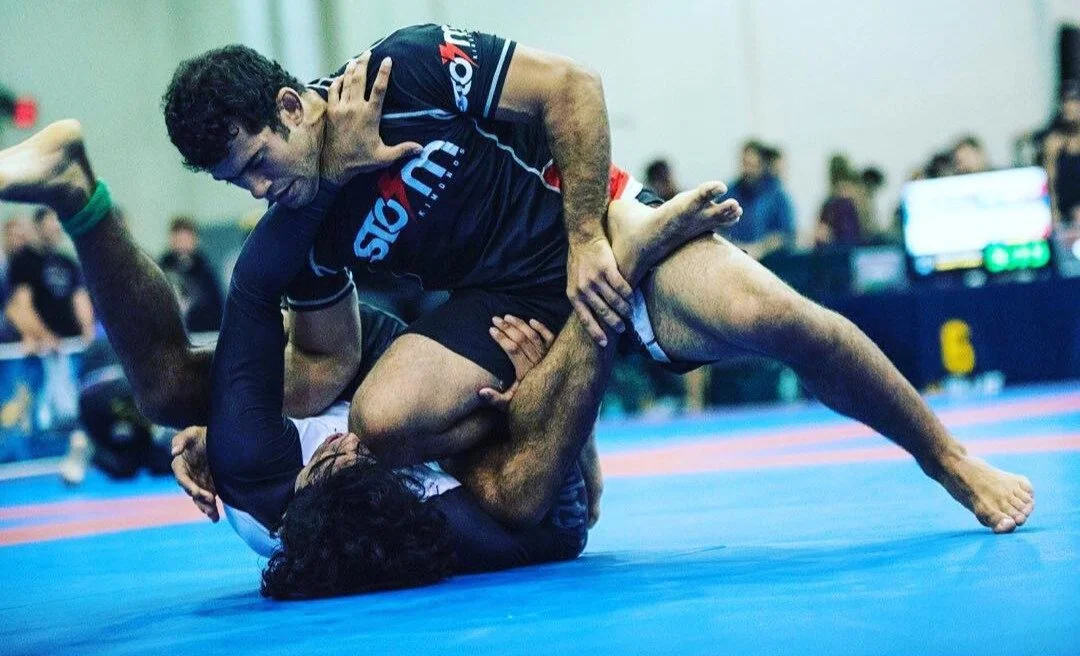
Preparing Your Competitive Strategy
Success in competition requires a solid game plan. You cannot use the exact same strategy for an IBJJF tournament and an ADCC trial. Specifically, your takedown defense and guard passing must adapt to the specific ruleset. For the IBJJF, you must focus on maintaining secure control and avoiding penalties. For the ADCC, you must develop a powerful wrestling game and robust submission defense.
At Gracie Barra Huntington Beach, we help you bridge the gap between these two competitive worlds. Our structured environment allows you to test your skills safely against high-level training partners. Consequently, you will step onto the competition mats with complete confidence, regardless of the organization.
discover gracie barra huntington beach
Use this simple pre-competition checklist during your preparation:
Read the official rules document three days before the event.
Practice wrestling up if competing in No-Gi formats.
Perfect your three-second stabilization for all positional points.
Ensure your weight is correct with your competition gear included.
Drill only the submissions that are legal for your belt.
The journey of competition is one of the fastest ways to improve your Jiu-Jitsu. It forces you to look at your weaknesses and refine your strengths. Whether you are a white belt preparing for your first local tournament or a black belt aiming for the world stage, we are here to support you. Your dedication, combined with our world-class instruction, is the formula for victory. Take action today and elevate your grappling game to the next level. Visit https://graciebarrahb.com/ to schedule your next training session and join our legacy.